Download the staircase
Share the staircase
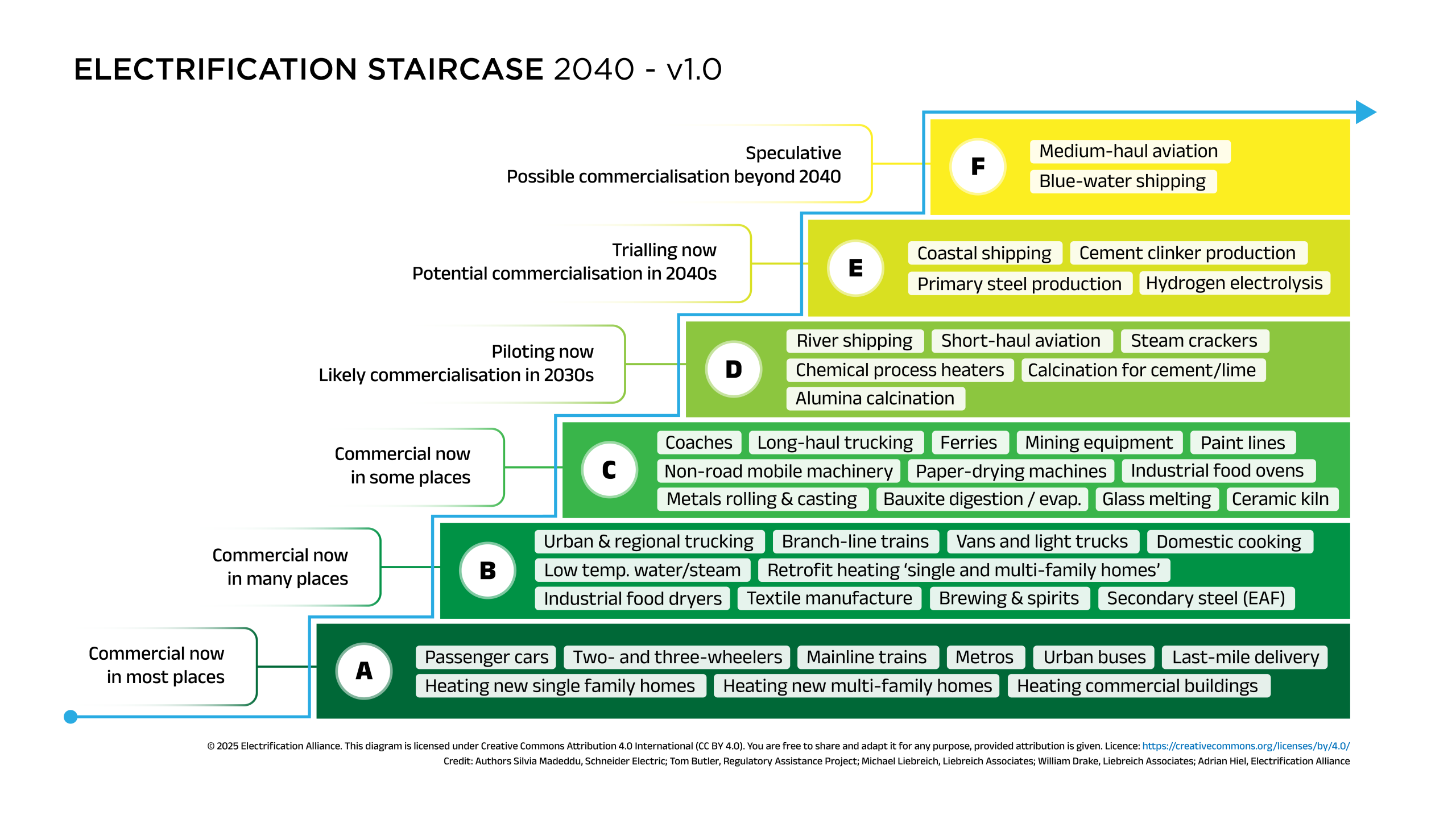
How the staircase works
The Staircase ranks end uses across multiple industries that currently run on fossil fuels, from heating a new apartment to coastal shipping. We looked at each against the fossil-fuelled incumbent used currently to identify where electrification is commercially used already, where it is likely to be piloting in the coming years, or where infrastructure might constrain it for the years to come.
“Most, many some” qualifies that the same end use can be supported by electrification in one Member State and in pilot in another, depending on power prices, grid capacity and building stock.
A step on the staircase reflects whether the electrified technology is commercially available, how it costs compared with its incumbent, and whether remaining barriers tend to be technical or otherwise. Readiness does not mean it is deployable at-scale, however, as an end use can be on the lowest step but be minimally rolled out.
Watch a breakdown about the staircase and its development
About the Authors
The staircase is co-authored by Dr Silvia Madeddu (Schneider Electric), William Drake (Liebreich Associates), Thomas Butler (Regulatory Assistance Project), Adrian Hiel (Electrification Alliance) and Michael Liebreich (EcoPragma Capital and Liebreich Associates).
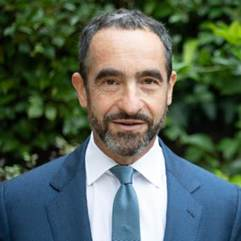
Michael Liebreich is Chairman and CEO of Liebreich Associates, through which he provides advisory and speaking services.
He is Senior Contributor to Bloomberg New Energy Finance, the world’s leading provider of research on clean energy and transport, which he founded in 2004. He led it up to its sale to Bloomberg in 2009 and beyond, acting as Chairman of the Advisory Board until 2017.
Michael serves on the UK Department of International Trade's Advisory Board on Overseas Investment in Infrastructure. He is Chairman of the Advisory Board of Ecovillages, a Swiss charity he founded to focus on sustainability of mountain communities and is Visiting Professor at Imperial College Energy Futures Lab. He also chairs smart mobility startup Zeelo and is a technology investor.

Dr Silvia Madeddu is an experienced sustainability leader specialized in designing and commercializing scalable solutions for industry. At Schneider Electric, she leads a Solution Architect team, driving the development and go‑to‑market strategy for electrification, flexibility, and circularity offers that help companies accelerate their net‑zero transition while unlocking tangible business value.
With over a decade of experience across industry, consulting, and research, she has led pioneering work in industrial electrification, including a landmark study that has significantly shaped how policymakers and businesses understand the electrification potential of industrial processes. This combination of technical depth and commercial strategy enables her to translate complex industrial challenges into actionable solutions that deliver real market impact.

As a member of RAP's team in Europe, Tom Butler is focused on researching regulatory and policy approaches to remove barriers for industrial sectors to electrify their heating processes. Tom has a deep understanding of industrial manufacturing in energy intensive sectors such as iron & steel, cement, chemicals, food & beverages, paper and pharmaceuticals. This enables him to provide accurate and practicable advice on the integration of electrification technologies.
Before joining RAP in 2025, Tom worked as a consultant on industrial decarbonization for ERM. As part of this role, he conducted systems modelling to develop decarbonization strategies for large clusters of industrial facilities in Europe, North America, the Middle East and Australia. Tom has developed technical expertise across multiple industrial abatement levers including energy-efficiency, electrification, hydrogen and carbon capture. As a consultant, he frequently provided technical advice to large first-of-a-kind industrial projects including the first commercial-scale hydrogen-based steelmaking plant in Europe.

William is an Commercial Strategy Manager at PragmaChange. Prior that he worked at EcoPragma, where he was a Managing Consultant in ERM’s Sustainable Energy Solutions team, where he spent four years advising private equity investors, infrastructure developers, corporates and governments on energy transition topics. This included strategy development, Due Diligence and the development of decarbonisation business cases. While at ERM, William gained particular expertise in transport decarbonisation and wrote three publications on the electrification of Heavy Goods Vehicles.
He holds a first class MSci in Physics from the University of Cambridge, where he won 12 academic prizes and holds an Investment Management Certificate from the CFA Institute.
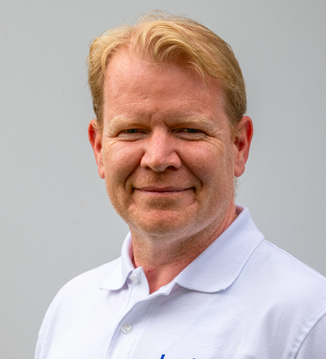
Adrian Hiel is the Director of the Electrification Alliance. Before that he headed Media and Campaigns at Energy Cities, a network of more than 1000 cities implementing the energy transition at local level in collaboration citizens, civil society, business leaders and other stakeholders to shape a decentralised and renewable energy future.
A transplanted Canadian and former journalist, he has been in Brussels for 20 years, working on everything from ivory trafficking to community energy projects.
He is a co-founder of an energy community in Belgium and believes that system change at the local level is the fairest and fastest way of ensuring that the goals of the EU’s Green Deal and avoiding the worst impacts of climate change can be achieved.


Questions, Comments, or Additions?
We’d love to hear from you. Let us know your thoughts or additions below.